
TRTP Therapy
A structured, compassionate approach to resolving trauma-related patterns so you can finally feel calm, clear, and back in control.
If you’ve been carrying anxiety, overwhelm, low self-worth, or emotional triggers that don’t seem to shift—even when you “know better”—there may be unresolved distressing experiences still driving how your mind and body respond today.
TRTP Therapy (The Richards Trauma Process) is a structured process designed to resolve trauma-related symptoms at the root—rather than helping you manage them forever.

What is TRTP Therapy?
TRTP™ (The Richards Trauma Process) is a sequenced, step-by-step process designed to resolve trauma-related issues such as anxiety, depression, PTSD, fears and phobias by working with trauma where it is stored—in the unconscious/subconscious and the body.
In the TRTP model, many ongoing symptoms (when not caused by physical illness or brain injury) are understood as the result of unresolved distressing events from the past—where the system continues to respond as if the event is still happening now.
One of the core tools used in TRTP is deep imagination (the “language” of the unconscious), guided in a safe, structured way to meet the requirements for resolution.
Who is TRTP Therapy for?
You don’t need to label your experience as “trauma” for TRTP to be relevant.
TRTP may be a fit if you:
- Feel stuck in anxiety, panic, fear responses, or hypervigilance
- Experience emotional overwhelm, shutdown, or “numbness”
- Notice persistent low mood or depression
- Struggle with sleep issues, intrusive memories, or body-based stress reactions
- Keep repeating the same patterns in relationships
- Feel held back by low self-esteem, guilt, shame, or self-sabotage
TRTP is commonly used with presentations including PTSD, anxiety disorders, depression, fears and phobias, and other trauma-related issues.
How TRTP Works
TRTP is a dynamic, sequenced 3-step process.
While every session is guided to your needs, the overall structure typically includes:
Step 1: Unhelpful core beliefs are addressed first
TRTP begins by working with underlying, unconscious core beliefs that can keep you stuck in patterns of thought, emotion, and behaviour—so self-sabotage is less likely to derail progress.
Step 2: The emotional charge is resolved
TRTP then works to remove the emotional charge from unresolved events, helping you shift from fight/flight/freeze into a more regulated, empowered state—so the memory is placed firmly in the past.
Step 3: Integration and moving forward
As your nervous system settles and your internal world shifts, you build a clearer, calmer relationship with yourself and your life—without the old triggers running the show.
Why we focus on Resolution, not endless coping
Many people have tried “talking it through,” positive thinking, or pushing harder—only to find their body still reacts the same way.
TRTP is designed to work where trauma is stored (unconscious + body) using deep imagination, rather than relying only on insight in the conscious mind.
That’s why TRTP can be a strong option when you:
Understand your patterns intellectually, but still feel hijacked emotionally
Keep getting triggered even after lots of personal work
Want a structured process that aims for resolution


What can you expect from reset today
We keep the process clear, structured, and human.
1) Quick connection / first conversation
We learn what you’re experiencing and what you want to be different.
2) A clear plan
If TRTP is a fit, we’ll outline the process and what sessions will involve.
3) Guided sessions (structured + safe)
You’re supported and led through each step.
4) Integration and next steps
We make sure you can bring the changes into real life—relationships, work, confidence, and day-to-day calm.
Meet Your TRTP practitioners

Lisa Saltnes
Lisa Saltnes is a Certified TRTP Practitioner and has spent years working closely alongside Judith Richards (creator of TRTP) under direct mentorship.
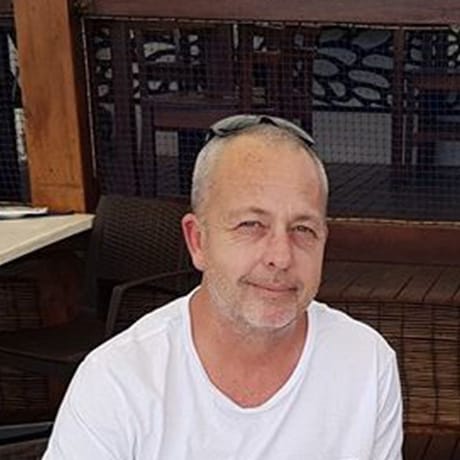
Blair Chinnery
Blair Chinnery brings extensive experience supporting the TRTP community and a client-first approach focused on clarity, compassion, and practical change.
TRTP Therapy FAQs
What does TRTP Stand for?
TRTP stands for The Richards Trauma Process, created by Judith Richards.
Is TRTP therapy only for “big” trauma?
Not necessarily. TRTP is often used for trauma-related symptoms like anxiety and depression, even when the original experiences don’t feel “big” on the surface.
How is TRTP different from traditional talk therapy?
TRTP is designed to work with the subconscious/unconscious and body, using deep imagination — because trauma is understood to be stored outside the conscious mind.
How many sessions will I need?
It depends. TRTP is a structured process and is sometimes described as being delivered in a small number of sessions, but we’ll recommend what’s appropriate for your situation.
Can TRTP help with anxiety or depression?
TRTP is explicitly described as a process that resolves anxiety and depression (and other trauma-related issues) in sequenced steps.
Is TRTP safe if I feel overwhelmed easily?
Your sense of safety matters. We’ll screen for suitability and go at a pace that supports regulation.
Do you offer online sessions?
Yes, we actually work only via Zoom and work with clients globally.
What if I’m in crisis right now?
If you’re at immediate risk of harm, contact emergency services right now. TRTP is not crisis support, and urgent safety comes first.
You don’t have to stay stuck.
If anxiety, overwhelm, or old emotional pain is still running your life, TRTP Therapy may be the structured reset your system has been asking for.